Men’s health at Dr Stavy’s practice
Men’s health.Time to talk.
Dr Stavy’s men’s health programme is led by Mr Stefanos Kachrilas. It covers hormone-related concerns, sexual function, fertility, prostate health and healthy ageing. A consultation can help assess your concerns and discuss appropriate next steps. A complimentary discovery appointment is available for this men’s health service.
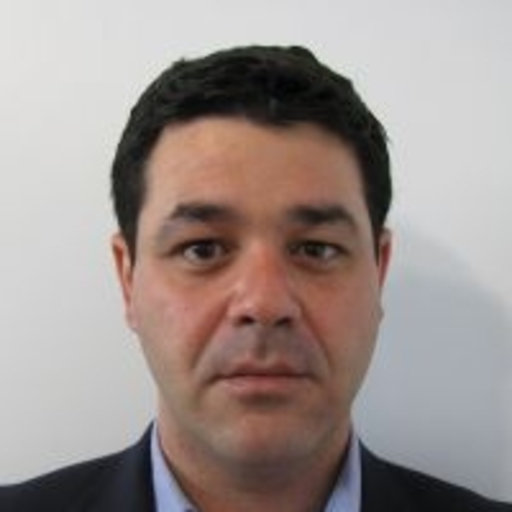
Men’s health programme lead
A named clinicianMeet Mr Kachrilas
A first conversationAsk about a complimentary men’s health discovery appointment
What would you like to discuss?
You can enquire about changes in sexual function, possible hormone problems, fertility or prostate health. You do not need to know the cause before getting in touch. Start with what has changed and what you would like help to understand.
Perhaps you have a test result you cannot make sense of, a concern you have put off raising, or questions about your health as you get older. The programme brings these areas together under a named lead. The links here explain its scope; they do not diagnose a condition.
Does “andropause” mean low testosterone?
“Andropause” is often used to describe possible hormone-related changes in later life. It does not, by itself, establish a diagnosis. Testosterone deficiency, also called hypogonadism, is assessed using relevant symptoms and consistently low blood-test results. Symptoms alone or a single result are not enough. [1]
The aim of assessment is to understand what needs attention. It is not to fit every change in energy, mood or sexual function into a hormone diagnosis. A clinician considers the history and the meaning of the results together before discussing any treatment.
Why does the timing of a testosterone test matter?
Guidelines recommend measuring testosterone in a morning, fasting blood sample. A low result needs confirmation with a further morning sample before a diagnosis is made. Timing and reliable laboratory methods matter, so an isolated result should not be treated as a complete answer. Ask the clinician how any existing test was taken and whether it needs repeating. [1] [2]
Will everyone need a full hormone panel?
The measurements needed depend on the clinical question. Total testosterone is the usual starting measurement when deficiency is suspected. In selected situations, a clinician also considers proteins that bind hormones in the blood, or an estimate of free testosterone. Your clinician needs to interpret these results. More tests do not always make the answer clearer. [2]
What other concerns does the programme cover?
The men’s health programme also covers sexual-function and ejaculatory concerns, fertility and sperm health, prostate concerns and healthy ageing. These are related areas of care, but each needs its own assessment. Use this overview to decide what you want to ask about.
Sexual function
You can ask about erectile difficulties, changes in sexual desire, or premature or delayed ejaculation. Describe the change in your own words and whether it is new or has been present for some time. You can ask how to provide further details before the consultation.
Erectile difficulties can also be relevant to cardiovascular health, meaning the health of the heart and blood vessels. Expert guidance advises clinicians to assess heart and blood-vessel risk when someone has erectile difficulties. This is a reason for a broader assessment; it does not mean every erection problem proves heart disease. [3]
Fertility and sperm health
The programme includes male fertility and sperm-health concerns. A fertility assessment looks at your health and history of trying for a baby. It includes an examination and tests where needed. The next useful test depends on what is already known. [4]
Tell the clinician if you hope to have children, now or later, before discussing hormone treatment. Fertility plans affect the choice of care. Bring details of previous investigations and any care you or your partner already receive. [1]
Prostate health and healthy ageing
Prostate concerns and sexual rehabilitation after prostate-cancer treatment are part of the programme’s published scope. Tell the practice about any specialist care you have. Ask who should see you and which visit to arrange. This page does not offer cancer treatment or replace your cancer team’s advice.
You can also discuss your wider healthy-ageing goals. Be specific about what matters to you, such as daily function, sexual wellbeing or making sense of health information. The aim is an appropriate assessment and a clear discussion of options, without a promise to reverse ageing or deliver a particular result.
Who leads your men’s health care?
Mr Stefanos Kachrilas leads the men’s health programme at Dr Stavy’s practice. That named responsibility helps you identify the service you are asking about. His programme includes the hormonal, sexual, fertility and prostate concerns described on this page.
When you enquire, mention Mr Kachrilas and explain that your question is about the men’s health programme. Confirm who will see you, the location or format, and the fee before booking. His practitioner profile gives more detail about his role and published professional background.
How do you choose the first appointment?
You can ask about the complimentary discovery appointment or enquire about a medical consultation. The discovery appointment is scoped to the men’s health service. Ask what it covers and how it is arranged; it should not be assumed to include a medical consultation, tests or treatment.
If you already know what you want assessed, explain that in your enquiry. Tell the practice whether you are seeking care with Mr Kachrilas, reviewing a previous result or looking for advice on the right service. The practice needs to confirm an appointment; sending a request does not reserve a time.
| Question | Discovery appointment | Medical consultation |
|---|---|---|
| Purpose | Ask about the men’s health service and what the appointment covers. | Arrange a clinical assessment of your concerns. |
| Cost | Complimentary for the men’s health discovery appointment. | Confirm Mr Kachrilas’s consultation fee before booking. |
| Tests and treatment | Do not assume these are included. | Any investigations and care depend on assessment; laboratory tests cost extra. |
| Arrangements | Ask about format and availability. | Confirm the clinician, location or format, and any follow-up arrangements. |
What should you have ready?
A brief outline is enough to start an enquiry. Ask the practice how to share medical records before sending them. It can help to have the following information available for your appointment:
- The main concern and when you first noticed it.
- Relevant diagnoses and care you already receive.
- A list of medicines and supplements you use.
- Previous blood tests, fertility reports or specialist letters.
- Any plans for children and questions about sexual health.
- Your priorities and the questions you most want answered.
What will the consultation and tests cost?
The discovery appointment is complimentary for the men’s health service. For a medical consultation with Mr Kachrilas, ask the practice to confirm the fee and what it includes. His fee is not listed here. Please ask for his own price before you book.
Laboratory tests are charged separately. Before agreeing to investigations, ask which are proposed, why they are being considered and the total price. Also clarify any follow-up costs. This lets you make a decision about the appointment and any next steps with the costs in view.
Practice fee informationHow does this fit with your wider health?
Men’s health concerns can sit alongside other questions about your health. The practice also provides functional medicine consultations and longevity medicine consultations. These pages explain those services; their descriptions and prices do not define Mr Kachrilas’s own appointment arrangements.
For Dr Stavy’s separate hormone service, explore hormone assessment and monitoring.
If you are already under specialist care, make that clear when you enquire. You can ask how the men’s health appointment would fit with the care you have, and whether a different service is more suitable for your main concern.

What patients say about Dr Stavy
Read patient feedback in its original context on Google, then compare it with the service, clinician and fee information on this site. Individual reviews describe personal experiences and do not predict clinical outcomes.
Questions before you enquire
Who is the men’s health programme for?
The programme covers enquiries about hormone-related concerns, sexual function and ejaculation, fertility and sperm health, prostate concerns and healthy ageing. Mr Stefanos Kachrilas is the named programme lead. Describe your main concern to the practice and confirm the appropriate clinician and appointment before booking.
Is andropause the same as a diagnosis of low testosterone?
No. Andropause is a term used for possible hormone-related changes in later life. A diagnosis of testosterone deficiency requires appropriate symptoms and consistently low blood-test results. An isolated result or a symptom checklist is not enough to establish the diagnosis or decide whether treatment is appropriate. [1]
Should I buy a hormone test before getting in touch?
You can enquire before choosing or buying a test. If you already have a result, tell the practice and ask how to share the report. Testosterone measurements need the right sampling conditions and clinical interpretation; a low result generally needs confirmation rather than being treated as a diagnosis on its own. [1] [2]
Can I discuss fertility as well as hormone concerns?
Yes. Fertility and sperm health form part of the programme’s scope. Tell the clinician about your plans for children and any previous investigations. Fertility goals matter when considering hormone-related care, and an appropriate fertility assessment takes account of the medical and reproductive history rather than relying on one hormone result. [1] [4]
Is the discovery appointment free?
A complimentary discovery appointment is available for the men’s health service. Ask the practice what it covers and how to arrange it. This offer should not be taken to mean that a medical consultation, blood tests or treatment are free. Confirm any later appointment and its costs separately.
How much is a consultation with Mr Kachrilas?
Ask the practice to confirm Mr Kachrilas’s current consultation fee, what it includes and the cost of any follow-up. Laboratory tests are charged separately. His appointment should not be priced using another clinician’s starting tariff, and the complimentary discovery appointment does not establish the cost of medical care.
How do I arrange an appointment?
Contact the practice by phone or email, or use its contact and appointment-request information pages. Mention Mr Stefanos Kachrilas’s men’s health programme and give a brief description of your enquiry. Confirm who will see you, the fee and the appointment format. A request needs confirmation from the practice.
Take the first step
Ask about the men’s health programme and its complimentary discovery appointment. Mention Mr Kachrilas when you contact the practice.
Appointment request information. Please ask how to share medical records before sending them.
Research and practice sources
- S. Bhasin, J. Brito et al. (2018). Testosterone Therapy in Men With Hypogonadism: An Endocrine Society Clinical Practice Guideline. The Journal of clinical endocrinology and metabolism. DOI: 10.1210/jc.2018-00229.
- G. Corona, Luís Morgado et al. (2026). EAU Guidelines on Sexual and Reproductive Health: A Summary of the 2026 Recommendations for Measurement and Biochemical Confirmation of Hypogonadism. European urology focus. DOI: 10.1016/j.euf.2026.04.015.
- T. Kohler, Robert A Kloner et al. (2024). The Princeton IV Consensus Recommendations for the Management of Erectile Dysfunction and Cardiovascular Disease. Mayo Clinic proceedings. DOI: 10.1016/j.mayocp.2024.06.002.
- P. Schlegel, M. Sigman et al. (2021). Diagnosis and Treatment of Infertility in Men: AUA/ASRM Guideline Part I. The Journal of urology. DOI: 10.1097/ju.0000000000001521.
- Aaron J. Lacy, Amanda Smith et al. (2023). High risk and low prevalence diseases: Testicular torsion. The American journal of emergency medicine. DOI: 10.1016/j.ajem.2023.01.031.
Programme role, service areas and discovery appointment follow the practice’s published men’s health information and approved practice records. Sources checked 7 September 2026.
Dr Stavy practice information. Originally published 27 July 2025. Updated 7 September 2026.