Male fertility and sperm health
Male fertility.Your next step.
Male fertility and sperm-health assessment are part of Mr Stefanos Kachrilas’s men’s health programme at Dr Stavy’s practice. Whether you have an existing semen report or questions about trying for a baby, you can ask about an individual assessment, the information to bring and appropriate next steps.
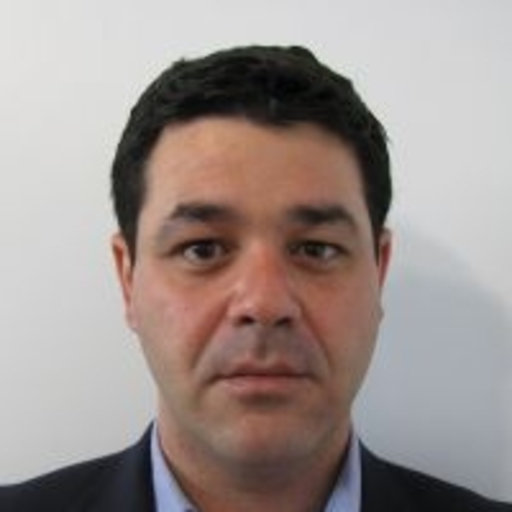
Men’s health programme lead
Care with a named clinicianMeet Mr Kachrilas
Start with your questionAsk about the complimentary men’s health discovery appointment
Where are you starting from?
You can enquire about male fertility or sperm-health concerns within the men’s health programme. You might want to discuss an existing report, understand what an assessment involves, or ask how it fits with care you or your partner already receive.
You do not need to choose a test package before contacting the practice. Start with your main question and explain what is already known. That gives you a way to ask about the relevant clinician and appointment without committing to investigations or treatment.
What does a male fertility assessment look at?
Male fertility assessment considers more than a laboratory result. AUA/ASRM guidance starts with your health history, including any past attempts to have children. It includes an examination and tests where needed. The useful next step depends on the findings and what is already known. [1]
For an appointment, it helps to have relevant records ready and to explain your goals. Tell the clinician about previous investigations, any care already under way and the questions you most want answered. Ask which parts of assessment are relevant to your visit.
A semen analysis and a fertility consultation serve different purposes. The test measures features of a sample. At a consultation, you can discuss what the result means for you and what to do next. A test bundle is not a substitute for that clinical assessment. [1] [3]
What can a semen report tell you?
A semen analysis commonly reports sperm concentration, movement and shape. These measurements describe the sample. Reference ranges come from data about groups of men. They do not draw a sharp line between those who can and cannot father a child. [3]
| Term | What it describes | What to keep in mind |
|---|---|---|
| Sperm concentration | The number of sperm in a given volume of semen. | One measurement does not establish the whole fertility picture. |
| Motility | How sperm move. | Movement needs to be interpreted with the other findings. |
| Morphology | The shape of sperm. | A shape measurement is not a stand-alone prediction of pregnancy. |
| Reference ranges | Values used to put the laboratory measurements in context. | They do not draw a clear line between fertile and infertile men. |
A value outside a reference range is not, by itself, proof that pregnancy is impossible. Equally, values within the ranges do not guarantee conception. Ask the clinician to explain the complete report in the context of your circumstances. [3]
If you already have a report, keep the full document rather than only a photograph of one number. Ask how to share it before the appointment. Include the date and any laboratory comments, and mention whether there are earlier results available to review.
Will you need more tests?
The assessment helps decide whether more tests would be useful. Guidance supports using tests where needed. This does not mean every concern needs the same test panel. Ask what each proposed investigation would add to the information you already have. [1]
If a further sample or test is discussed, ask why it would help in your case. Confirm where it would be done, how to prepare and who would interpret the result. The practice needs to confirm the arrangements and availability for any test.
The number and timing of tests need to reflect your findings and the clinician’s advice. You can enquire without first buying an online panel or deciding which test you think you need.
Should I arrange another semen sample myself?
Ask the clinician whether a further sample would help clarify your result and when it should be taken. If testing is arranged, follow the instructions from the service handling the sample. Agree the number of samples and their timing with the clinician. Do not bring an unrequested sample to the practice.
What if I have hormone concerns too?
Tell the clinician about your fertility plans before discussing hormone-related treatment. The Endocrine Society guideline identifies plans for fertility as important when considering testosterone therapy. This does not establish what treatment you need. The men’s health programme page explains the broader hormone-assessment context. [4]
Can I also discuss erections or ejaculation?
Yes. Sexual-function and ejaculatory concerns are also within the published programme scope. Explain both concerns when you enquire and ask about the appropriate appointment. The sexual-health assessment page explains that part of the programme. It serves a different purpose from interpreting sperm measurements.
What should you bring to the conversation?
Follow the practice’s preparation information and bring your completed medical and lifestyle history questionnaire and relevant records. For fertility concerns, ask which existing reports would be useful and how to provide them before your visit. You only need to bring samples you have specifically been asked to collect.
It can help to have these details ready for the clinical discussion:
- Your main questionWhat you want help to understand and any plans for trying for a baby.
- Existing resultsComplete semen reports, relevant blood results and letters from clinicians already involved.
- Previous careTests, treatment and appointments you or your partner have already had.
- Current health informationRelevant diagnoses and a list of medicines and supplements you take.
You can begin with a brief enquiry. Ask the practice how to share medical records before emailing documents or detailed health information. The appointment is the place to build on that outline and discuss the clinical questions in more depth.

How does male assessment fit with a partner’s care?
If you are trying for a baby with a female partner, EAU guidance supports assessment of both partners in parallel. This helps inform decisions about timing and possible care. Male assessment should be considered alongside the wider fertility picture. [2]
Tell the clinician about any fertility service already involved and the investigations or advice you have received. If there is an existing plan, ask how this assessment could contribute to it and which information would help the clinicians involved.
If you are exploring another route to parenthood, explain your plans and any specialist service working with you. Ask whether this programme is the appropriate route for your own assessment. Ask which services are available for your needs.
When another service may be involved
After assessment, further care may involve your GP, a urologist or a fertility service. If a referral is suggested, ask what it is for, who should arrange it and how to share results. The next step depends on the findings and the services involved.
The programme’s scope is male fertility assessment. If you need IVF, sperm freezing or storage, or fertility surgery, ask which specialist service is appropriate. Confirm where any procedure would be provided and who would be responsible for your care.
What should you agree before the next step?
Ask how any results would be reviewed, who would explain them and whether a further appointment is needed. A laboratory report and a plan for care are different things. You should know whom to contact if you have questions about the information you receive.
Discuss the aim of any proposed plan, its possible benefits and limits, and how it fits with your goals. If further care is suggested, ask what alternatives exist and what would influence the choice. EAU guidance places clinical findings and patient preferences within shared decisions. [2]
Who should you ask to see?
Mr Stefanos Kachrilas leads the men’s health programme at Dr Stavy’s practice. Male fertility and sperm-health concerns are part of its published scope. Mention his programme when you get in touch so the practice can discuss the relevant appointment.
His practitioner profile explains his programme role and published professional background. Confirm the clinician, location or appointment format before booking. An enquiry does not reserve an appointment.
Keep the purpose of your visit clear
Let the practice know whether you want to discuss an existing result, ask about a fertility assessment or understand how the programme fits with other care. You can also ask about the complimentary men’s health discovery appointment and what it covers.
What will assessment and tests cost?
Ask the practice to confirm Mr Kachrilas’s current consultation fee, what it includes and the price of any follow-up. Laboratory tests are charged separately. Ask for the price of your own appointment before you book.
Before agreeing to tests, ask why they are needed, what they cost and whether there is a fee to review the results. If another service is involved, ask which costs belong to that service and how you will receive its fee information.
A complimentary discovery appointment is available for the men’s health service. Ask about its scope and arrangements. It should not be assumed to include a medical consultation, investigations or fertility treatment.
What patients say about Dr Stavy
Read patient feedback in its original context on Google, then compare it with the service, clinician and fee information on this site. Individual reviews describe personal experiences and do not predict clinical outcomes.
Questions before you get in touch
Can I enquire before having a semen analysis?
Yes. You can ask about male fertility assessment without first choosing a test or buying a package. Explain your main concern and any previous care. The clinician can discuss which information is useful for assessment. Confirm the appropriate appointment, its cost and any preparation with the practice.
Does an abnormal semen result mean I cannot father a child?
A result outside a reference range is not, by itself, proof that pregnancy is impossible. Semen reference values do not sharply separate fertile from infertile men. Ask the clinician to interpret the full report alongside your history and other findings, including any relevant care your partner is receiving. [3]
Do normal semen results guarantee fertility?
No. Values within the reference ranges do not guarantee conception. The measurements describe a sample and need to be considered in the wider clinical context. If you have concerns despite a report within the ranges, discuss them with a clinician rather than assuming the result answers every fertility question. [3]
Should my partner be assessed too?
If you are trying for a baby with a female partner, EAU guidance supports assessment of both partners in parallel. Tell the clinician what care is already under way and ask how the next steps can fit together. This does not mean a joint consultation or partner assessment is automatically included here. [2]
Do you provide semen testing, IVF or sperm freezing on site?
Male fertility assessment is the service described here. For any semen test, IVF, sperm freezing, storage or surgery, confirm availability and the provider with the practice. Do not assume these services take place at the clinic or are included in a consultation.
How should I prepare or collect a sample?
Follow the practice’s preparation information and bring the records and completed questionnaire requested for your visit. Only collect samples you have specifically been asked to provide. If a semen test is arranged, obtain collection and delivery instructions from the service handling it before collecting anything.
How do I arrange a male fertility appointment?
Contact the practice by phone or email and mention Mr Kachrilas’s men’s health programme. Briefly explain your enquiry and ask how to share any existing reports. Confirm the clinician, consultation fee and appointment arrangements. A complimentary discovery appointment is available for the men’s health service; ask what it covers.
Ask about your next step
Contact the practice about male fertility or sperm-health assessment with Mr Kachrilas. A brief enquiry is enough to start; ask how to share any further details.
Appointment request information. Please wait for the practice to confirm your appointment.
Research and practice sources
- P. Schlegel, M. Sigman et al. (2021). Diagnosis and Treatment of Infertility in Men: AUA/ASRM Guideline Part I. The Journal of urology. DOI: 10.1097/ju.0000000000001521.
- S. Minhas, L. Boeri et al. (2025). European Association of Urology Guidelines on Male Sexual and Reproductive Health: 2025 Update on Male Infertility. European urology. DOI: 10.1016/j.eururo.2025.02.026.
- M. J. Campbell, F. Lotti et al. (2021). Distribution of semen examination results 2020 – A follow up of data collated for the WHO semen analysis manual 2010 Andrology. DOI: 10.1111/andr.12983.
- S. Bhasin, J. Brito et al. (2018). Testosterone Therapy in Men With Hypogonadism: An Endocrine Society Clinical Practice Guideline. The Journal of clinical endocrinology and metabolism. DOI: 10.1210/jc.2018-00229.
- Aaron J. Lacy, Amanda Smith et al. (2023). High risk and low prevalence diseases: Testicular torsion. The American journal of emergency medicine. DOI: 10.1016/j.ajem.2023.01.031.
Programme responsibility, scope and the discovery appointment follow the practice’s published men’s health information. Preparation follows its published patient information and approved practice records. Sources checked 7 September 2026.
Dr Stavy practice information. Published 7 September 2026.